
Film Review: The 400 Blows
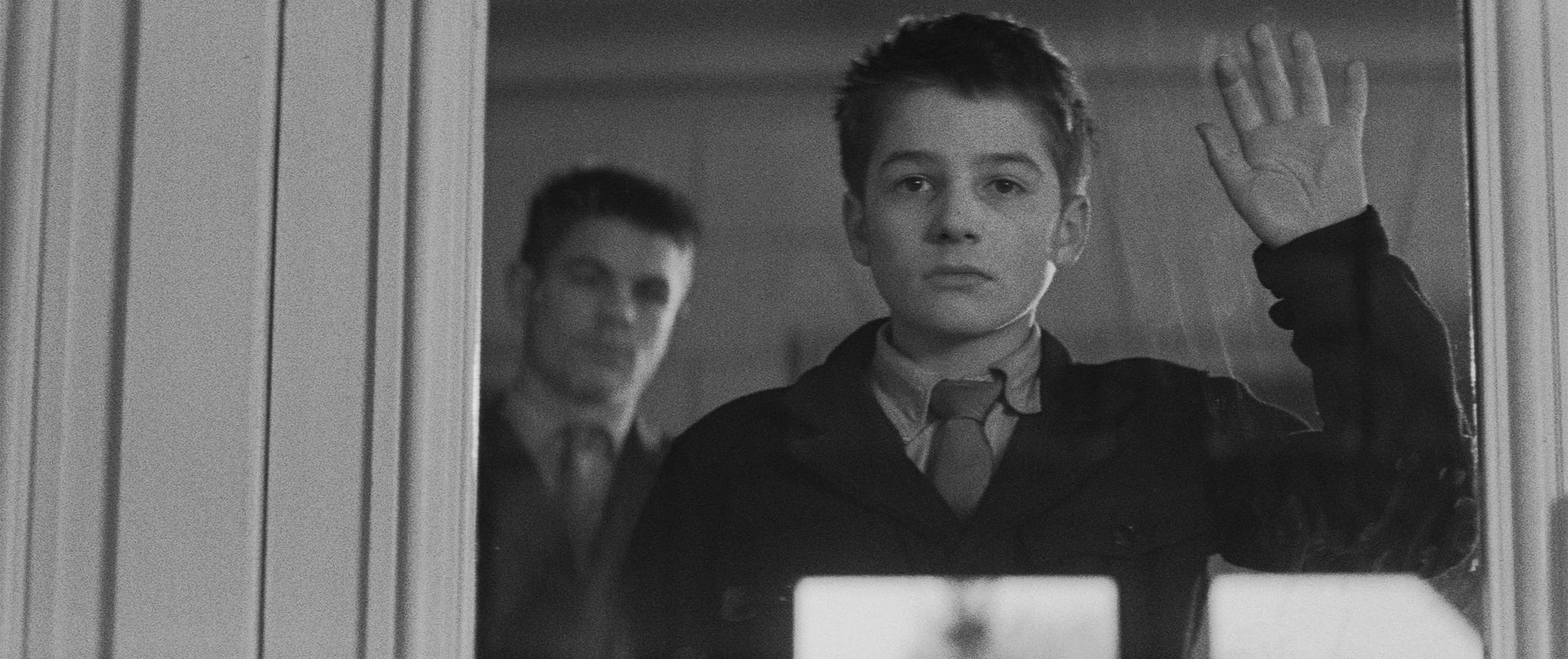
What was the first film in the French New Wave? Some point to Claude Chabrol’s Le Beau Serge from 1953 while others mention Agnès Varda’s 1955 directorial debut La Pointe Courte as the official starting point of the movement. According to many of the movement’s most prominent figures, however, the early “ethnofiction” of Jean Rouch – who mostly documented the lives of people living along the Niger River in Africa – is considered a primary influence and is thus worthy of inclusion in the discussion.
But, wherever you may land, and regardless of decades-old debates occurring in film schools everywhere and in dusty back issues of Cahiers du Cinéma, there can be no denying which French New Wave film and director were the first to be seen and celebrated outside of their native France. Enter François Truffaut and his 1959 triumph, The 400 Blows.
Told from the point of view of Antoine (a stand-in for Truffaut himself and brilliantly portrayed by then 14-year-old Jean-Pierre Léaud, a non-actor the director singled out from several hundred children who auditioned), The 400 Blows is unflinching in its portrayal of a troubled boy and the unforgiving society that shaped him. To say that I relate to this misunderstood youth is an understatement, but it doesn’t take someone like me, who also chose an unconventional path at a young age, to see where the adults in his life have failed him. At every turn, Antoine gets the short end of the stick, and even though his behavior is demonstrably poor, Truffaut ensures we clearly understand the circumstances that drive him to act the way he does.
Through a series of compounding events, Antoine finds himself in deeper and deeper trouble with his school, parents, and the law – some of whom have betrayed his trust and confidence – until he is finally placed in a home for troubled youth. Through it all, though, and despite his growing resentment toward authority and what appears to me to be a deepening and unmanaged (not to mention completely undiagnosed) depression, Antoine continues to fight for full autonomy and independence.
He might shoot himself in the foot every chance he gets (he’s only fourteen, after all), and his behavior is what psychologists might deem “antisocial,” but I’ll be damned if Antoine isn’t one of the most realistically portrayed cinematic underdogs you’re likely to see. If you’re rooting against this kid in favor of the corrupt system forcing him to conform to its bullshit standards, I’m not sure we can be friends. The best people I know have healthy doses of Antoine’s defiance in them. And those of you out there who don’t, I truly hope you find some of it somewhere soon because we’re all going to need it.

France • 1959 • 99 minutes • Black & White • 2.35:1 • French • Spine #5
Criterion Special Features Include
- Restored high-definition digital transfer, with uncompressed monaural soundtrack
- Two audio commentaries, one by cinema professor Brian Stonehill and the other by director François Truffaut’s lifelong friend Robert Lachenay
- Rare audition footage of Jean-Pierre Léaud, Patrick Auffay, and Richard Kanayan
- Newsreel footage from the film’s showing at Cannes
- Excerpt from a 1965 interview with Truffaut in which he discusses his youth, his critical writings, and the origins of the character Antoine Doinel
- Excerpt from a 1960 interview with Truffaut about the global reception of The 400 Blows and his own critical view of the film
- Trailer
- PLUS: An essay by film scholar Annette Insdorf
