
Film Review: The First Fallen (2023)
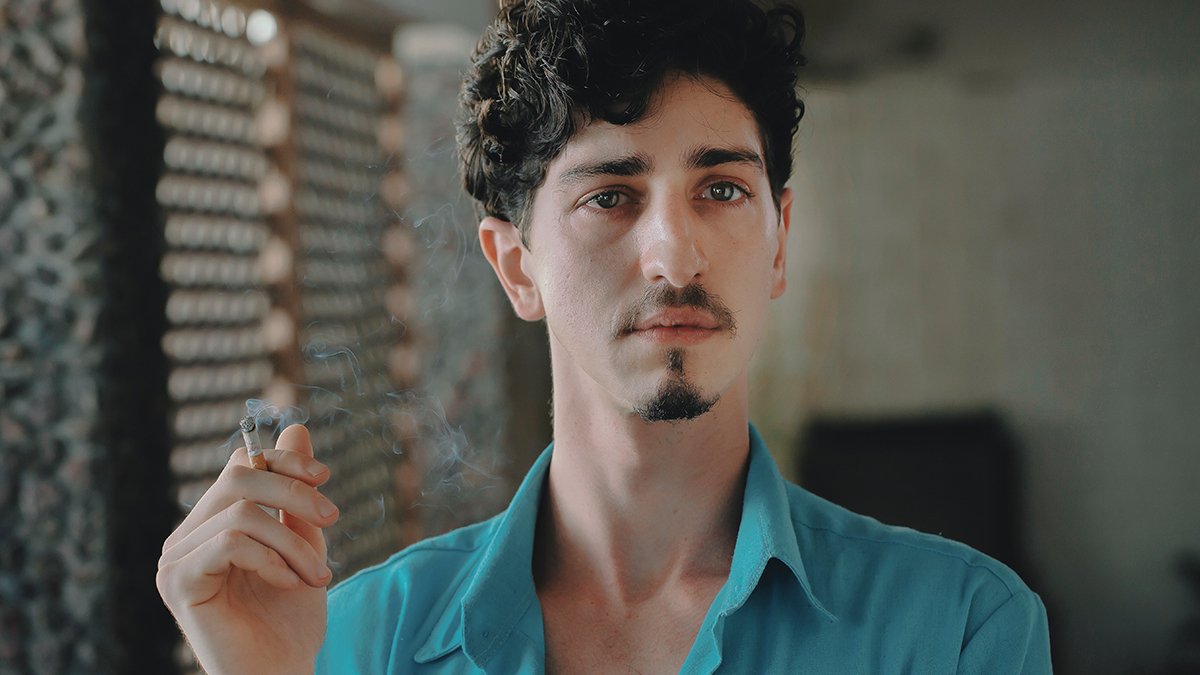
Where the first half of Rodrigo de Oliveira’s The First Fallen wanders, sometimes playfully, sometimes somberly, through the lives of a handful of gay men in early-1980s Brazil, the second half shines with the kind of camaraderie one can only find in shared rejection and alienation. As a microcosmic look at the dawn of the AIDS crisis, The First Fallen paints an unsmiling picture of heartache and confusion, but it also astutely observes how an already marginalized community was able to band together to fight this new, unknown illness together. I’m not sure there’s a way to tell a story like this in a way that isn’t darkly foreboding, but de Oliveira injects enough humanity and life into its grim proceedings that one can’t help but feel hope in the face of a coming storm.
Shot beautifully using washed-out lighting (like an ‘80s movie) and featuring a fantastic score, The First Fallen uses Suzano (a biologist unexpectedly returned from France to the small Brazilian town he grew up in, played by Johnny Massaro) as our guide through the fear and uncertainty of a burgeoning outbreak. As Suzano navigates his family life and the frequent questions about why he would give up his exciting life abroad, it becomes clear that all is not well. As he grows increasingly frail and visibly unwell, he’s told that his friends Rose (a transexual community favorite, played by Renata Carvalho) and Humberto (a newcomer and videographer, played by Vitor Camilo) have gone missing.
While I don’t think further detailing the plot of The First Fallen would ruin anyone’s experience, I do think that it might diminish some of its impact. Suffice to say, as the mystery unfolds, everything falls into place in a way that is both satisfying and uplifting. But don’t let this description fool you. The First Fallen is not a film in which any of its characters are able to live happily ever after. This, of course, doesn’t mean their story – and by extension, the stories of everyone left behind by the inaction of every government on the planet – can’t be inspiring, or perhaps more appropriate for this situation, enraging.
As noted, it’s the film’s second half that really allows the story to reach its full potential. And while it’s true that these late-second-act scenes are at times a bit fanciful, I would argue that it’s these dreamlike respites that serve as the film’s most damning condemnations of the harsh realities of an entire generation’s life under siege. By diverging into the artistically ethereal, de Oliveira shows us that, even when no one else will even acknowledge a disease that’s plaguing your community, life is still possible.

