
Film Review: KKN di Desa Penari (2022)
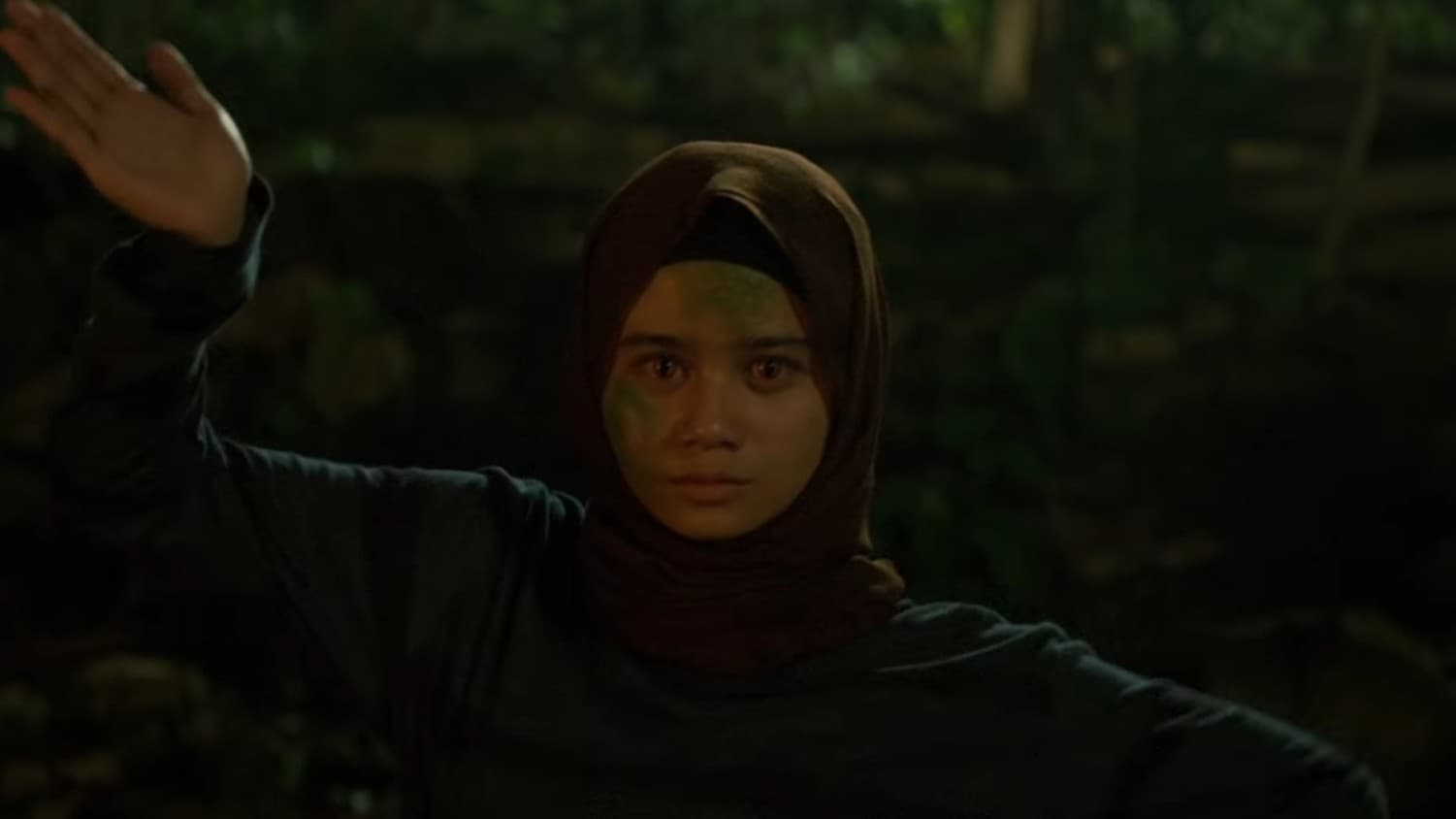
Please note: this review is for the 175 minute extended cut.
As someone admittedly lacking in Indonesian cinematic knowledge, I sadly have nothing to base my analysis of Manoj Punjabi’s 2022 ghost story KKN di Desa Penari (or KKN, Curse of the Dancing Village as it’s known stateside) on when comparing it to other films from that region (something I plan to remedy at the first opportunity).
But, as someone with reasonably extensive knowledge of Western cinema (specifically, Hollywood-produced horror cinema), I give no pause when saying that KKN isn’t half bad. Its pacing and storytelling style may differ somewhat from what we’ve become overly accustomed to, but this may be part of the charm, at least for Western audiences. Indonesian audiences, on the other hand, have spoken loud and clear on their admiration for KKN — it’s the highest grossing film in Indonesian history.
While KKN certainly plays on many of the familiar tropes found in Western horror, it does so with an almost naïve enthusiasm that quickly becomes infectious. For all its faults, I’m finding it difficult to get out of my head.
Based on a 2019 Indonesian viral Twitter thread (now X) by someone calling themselves SimpleMan, KKN di Desa Penari follows a group of students as they perform their “real work lecture” (called kukerta in Indonesian and abbreviated as KKN, a mandatory service project required by all Indonesian universities). Their destination is an isolated and superstitious village in East Java that doesn’t seem to want them there for reasons unknown.
From the start, strange things are afoot, as the locals act nervously around the students and monstrous creatures and ghostly apparitions can be half-seen through the thick jungle. As the mayor shows the students around, he suspiciously points out the boundaries of the village and warns them never to go past a certain shrine at the edge of a field. Naturally, the students do, and that’s when the dancing starts.
As the story moves forward, though, KKN eventually turns into a morality play condemning premarital sex and indecent thoughts, although one that thoroughly hides its intentions behind a disturbing mask of supernatural folklore and freaky imagery. Before long, the group’s three young women — Nur, Widya, and Ayu (played by Tissa Biani, Adinda Thomas, and Aghniny Haque) — begin to fall under the spell of a mysterious (and incredibly creepy) dancing spell, and things go from weird to weirder.
And while the boys — Bima, Anton, and Wahyu (Achmad Megantara, Calvin Jeremy, and Fajar Nugra) — don’t get off scot free, it’s clear the evil lurking in the jungle has it in for the women much more so than the men.
Despite KKN revealing some of its scares much too early in the story for my taste, the scenes that see Nur, Widya, and Ayu in the throes of possession and forced to do their sinister dance are easily the film’s best moments. Biani, Thomas, and Haque are all spectacular as the unfortunate objects of the jungle spirit’s disdain, so much so that they make their male counterparts look like idiotic halfwits by comparison.
And just as many American slasher films portray sex as evil and punishable by death,so does KKN, albeit with a much greater reliance on folklore than machetes or chainsaws. In fact, when it comes to gore, on-screen violence, and nubile exploitation, KKN is almost childishly tame by American standards. There is no physical violence against women, per se — yet KKN still manages to “blame” women for the hormonal actions of youth.
Whether this is meant as a critique of Indonesian cultural and religious norms or a reinforcement of them, I’m not qualified to say, but for my money (and through my Western cinematic filter), I choose the former. Either way, the story remains strong and engaging regardless of the filmmaker’s intended politics.

