
Film Review: The Good Boss (2022)
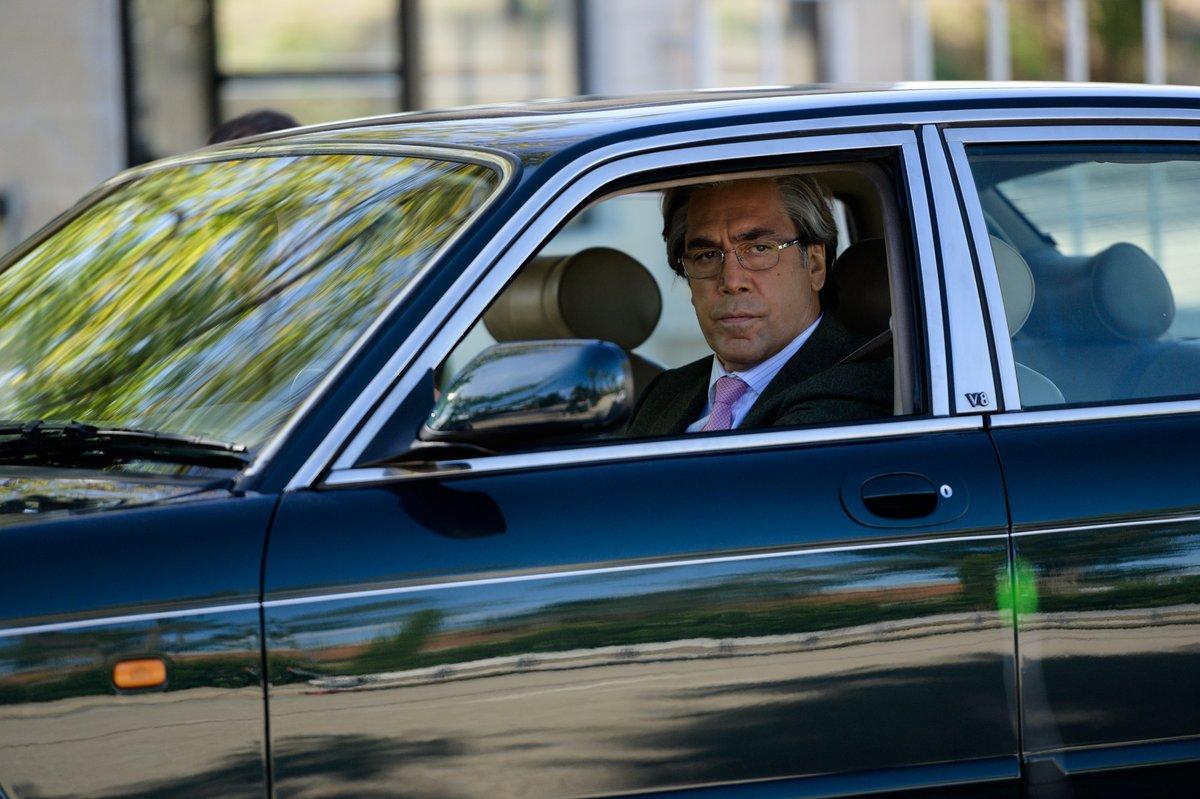
We’ve all had a boss like Julio Blanco. You know the type: an out-of-touch blowhard who prattles on about “family” just before the layoffs begin. A self-congratulatory imbecile who stresses hard work but never seems to do any. An entitled, status-driven negative force too blinded by their own pomposity to see the toxic work environment they’ve created.
If you count yourself among the lucky few to have never had the displeasure of working under such an obtuse and useless leader, I applaud you. And if not, I relate and sympathize with you on a deep and personal level.
In either case, with a well-timed dry wit, Javier Bardem’s performance as The Good Boss confidently steps into the upper echelons of ineffectual cinematic middle management to join the ranks of such luminaries as Bill Lumbergh and Jerry Lundegaard — minus the garish suspenders and unwanted TruCoat.
Like the dronish Lumbergh and the bumbling Lundegaard (played respectively by Gary Cole in 1999’s Office Space and William H. Macy in 1996’s Fargo), Bardem’s Blanco envisions himself not only as the center of his own universe, but that of his subordinates and family as well. As the esteemed man of industry that he’s convinced himself he is, Blanco doesn’t seem capable of recognizing any problem in which his informed words and valorous actions aren’t enough to solve by sheer force of his own importance.
He thinks everyone around him is waiting on him, and him alone, to enter the room and wow them with his knowledge and insight. In reality, he isn’t much more than a self-serving turd who would throw anyone in his life under the bus if it meant even an iota of recognition from even the most insipid of sources.
Writer/director Fernando León de Aranoa’s film begins as Blanco gives a speech to his polite but uninterested employees on the floor of the factory he inherited from his father. In the background, as Blanco goes on about family and the superficial award he’s up for, a long-time employee is being laid off and refusing to go quietly.
It’s a simple scene, but it sets a tone of contradiction and hypocrisy that will carry throughout the film as Blanco increasingly loses control of situation after situation. At no point, however, does he ever seem to feel remorse for the damage he’s causing with his meddling, dalliances, or underhanded tactics. In fact, he doubles down on them, even when, at any moment, everything could come crashing down.
Holding these moving parts together is Bardem, who relishes in his role with all the braggadocious swagger we’ve come to expect from him, but does so in such a small-scale way that Blanco’s extreme entitlement and unearned position of power takes precedence over the machismo he so desperately wants to display to those he considers beneath him.
Time and again, Blanco attempts to use his power to get what he wants, and time and again he’s denied or outplayed by those with an actual backbone. The frustration on Bardem’s face as Blanco’s desperation grows somehow betrays the actor’s usual typecasting, while simultaneously reinforcing it through the factory owner’s completely inconsiderate gall.
I’m sure there are others out there who could have pulled this off just as well, but the way Bardem effortlessly slides into such a bullheaded and weaselly character is damned entertaining, and something that should not be missed.
Originally published by ASHEVILLE MOVIES.

