
Film Review: The Worst Ones (2023)
Have you ever seen one of those movies that claims to be authentic in its gritty portrayal of street life, rural life, or any socio-economic life that isn’t rooted in white hegemony? Sure you have. We all have. In most cases, though, these bold claims of realism accomplish little outside of reinforcing destructive stereotypes and exploitative cultural appropriation, so why do these movies keep getting made?
The short answer is that this kind of shameless storytelling plays directly into the deep-seated fears of those fueling the box office (white suburban Americans), but laziness and smug feelings of superiority are certainly factors as well. Can a film accurately and sympathetically depict the lives of marginalized people without coming off as exploitative or derogatory? As a member of the white suburban American demographic, I can’t answer that question with any measure of credibility without at least some unintentional bias on my part.
For a more thoughtful and artistic answer, I turn your attention to Lise Akoka and Romane Gueret’s The Worst Ones, a film set entirely within a film production that is attempting to make an authentic film about a real working-class neighborhood in northern France, and the problems that arise from such an attempt. At times darkly comedic and at others nervously voyeuristic, The Worst Ones cleverly plays on how artistic vision and exploitation can easily get in the way of each other despite even the best of intentions.
As the film opens, a casting director is auditioning teens for parts in an upcoming production about the hardships of life in provincial France. Gabriel (Johan Heldenbergh), the film’s director, has decided that, for authenticity’s sake, he must not only cast local youngsters but ones who are untrained as actors as well. The gossipy adults familiar with these kids and their families can’t help but openly ponder why this fool director would pick “the worst ones” from the community.
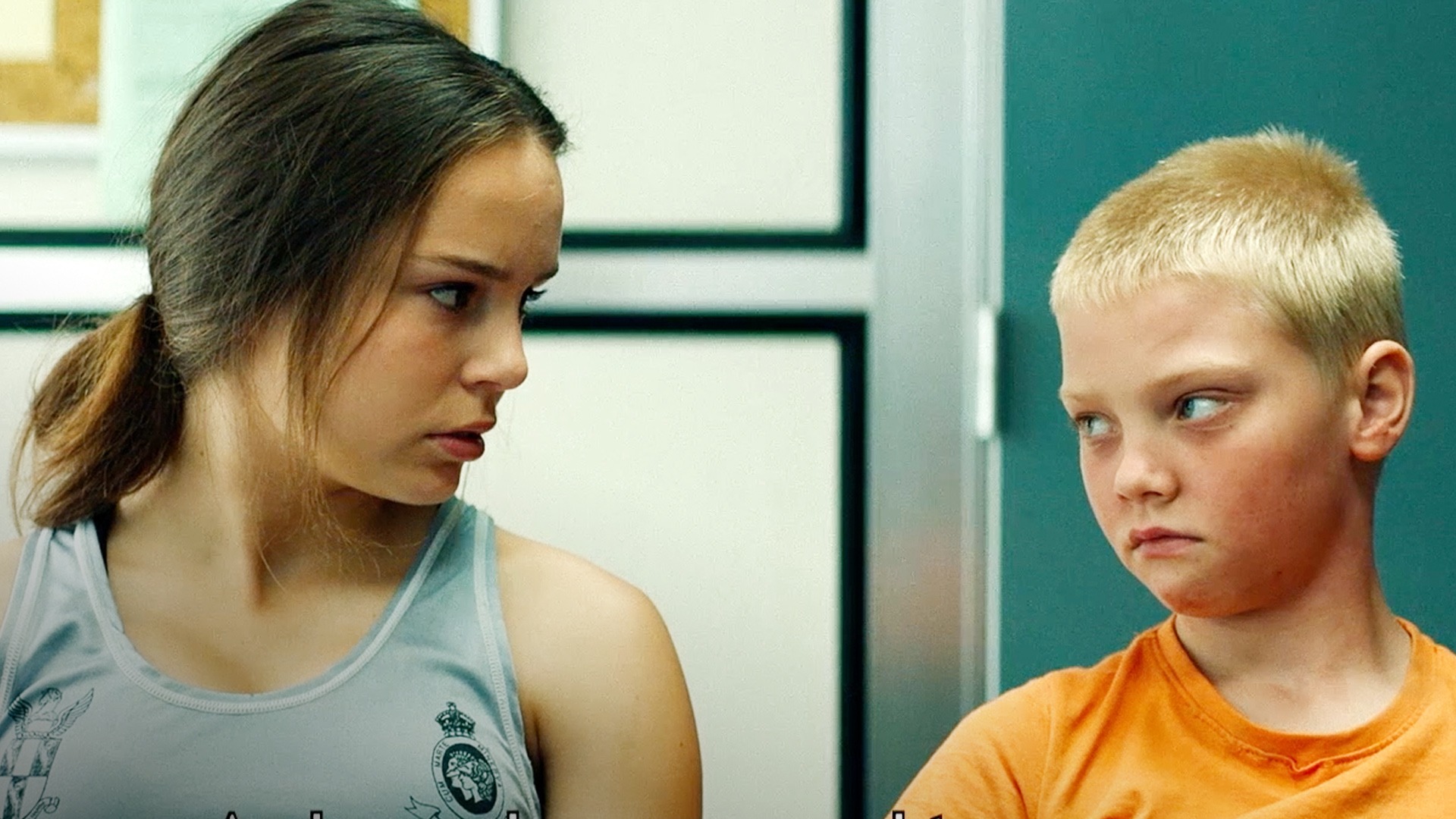
At the center of things is Ryan (Timéo Mahaut), a hyperactive youngster who wants to do well but suffers from untreated ADHD. Then there’s Lily (Mallory Wanecque), a teenager with an unearned reputation; Jessy (Loïc Pech), a young wannabe tough guy hiding his explosive insecurity; and Maylis (Mélina Vanderplancke), who sees the production for what it is.
As Gabriel seemingly loses control of his film at nearly every turn, and as we gain increasingly revealing glimpses into the actors’ home lives, The Worst Ones takes on an almost surreal aspect as art and life begin to commingle in a way that’s a bit too close to reality. This merger, however, is not lost on the film’s director and crew (the ones in the movie, not the ones in real life), as they do what they can to ease the neighborhood tension they’ve brought upon themselves by helping out where they can. Whether this altruism is birthed from genuine concern for the well-being of these troubled kids or a necessary means to finishing their film is left open for debate, but even if the former is true, Akoka and Gueret (this time I’m talking about the real-life directors; it’s not this confusing in the film, I promise) still make a point to show how the filmmakers (in the movie) are willing to exploit these kids, even if they regret it later and feel bad about their actions.
The Worst Ones certainly tells a great story, but it’s the young actors who really hold it all together. Mahaut is simply brilliant as the troubled Ryan, who, as an untrained actor himself, somehow conjures Jean-Pierre Léaud’s Antione from François Truffaut’s defining French New Wave film The 400 Blows and combines him with River Phoenix’s Chris Chambers from Rob Reiner’s 1986 coming-of-age classic Stand By Me. This perfectly blended performance strikes just the right balance between innocence and aggression and makes it easy for us to root for Ryan despite his sometimes unacceptable behavior.
Does The Worst Ones successfully succeed where so many others have failed when it comes to the movie business and its long history of exploitative portrayals of marginalized folks? Or does it fall into the same traps we’ve seen time and again? I urge you to seek it out and decide for yourself.

